Tobacco Use
Frequent use of tobacco products — cigarettes, cigars, pipes, and chewing tobacco.
A fast, non-invasive screening that helps detect oral cancer early — when early detection plays a major role in survival.
In almost all cases of oral cancer, early detection plays a major role in a patient’s chances of survival — and by diagnosing and treating oral cancer early, a patient’s five-year survival rate is 80-90% greater. More than 480,000 new cases of oral and throat cancers are diagnosed each year, and over 35,000 of those cases are right here in the United States. Schedule a screening in Cranbury, NJ or call (609) 395-9100.
More than 480,000 new cases of oral and throat cancers are diagnosed each year, and over 35,000 of those cases are right here in the United States. Oral cancer kills one person every hour in the U.S., and without proper detection methods, a person may have oral cancer and not even know it.
In almost all cases of oral cancer, early detection plays a major role in a patient's chances of survival. By diagnosing and treating oral cancer early, a patient's five year survival rate is 80-90% greater.

Risk factors for oral cancer include the following. While men above the age of 50 are typically at the most risk, there has been a recent increase in the number of women with oral cancer due to a connection between oral cancer and the human papilloma virus (HPV-16).
Frequent use of tobacco products — cigarettes, cigars, pipes, and chewing tobacco.
Excessive consumption of alcohol is a known risk factor for oral cancer.
A family history of oral cancer or any type of cancer increases risk.
Excessive exposure to the sun at a young age is also a risk factor.
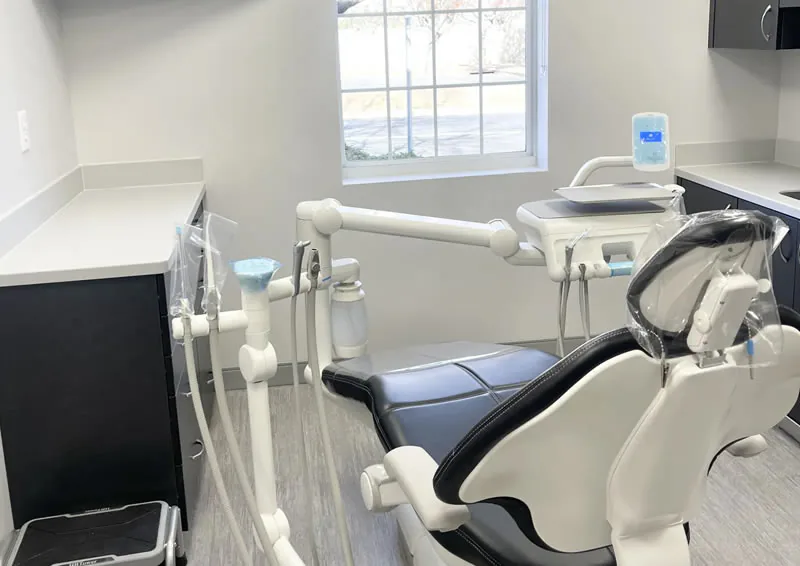
The VELscope screening system consists of a specialized white light source and viewing scope that make it easier for your doctor to look closely at the tissues inside your mouth. Normal tissues will almost glow a bright green color. Abnormal tissue shows up much darker under the special light.
This makes it easier to spot changes that might otherwise be missed — supporting the early detection that plays such a major role in survival.
An abnormal screening does not always mean that the patient has cancer. If an abnormal screening occurs, your doctor may schedule a second scan later to see if the dark spots disappear, or may choose to perform a gentle, non-invasive brush biopsy to make sure it’s not cancer.
Dr. Adibe includes oral cancer screening as part of attentive routine care — because catching a change early is one of the most valuable things a dental visit can do. If anything looks unusual, the next step is a careful, measured follow-up, not alarm. Oral cancer is also addressed within our oral and maxillofacial surgery services.
Reviewed by Dr. Adibe · Clearbrook Advanced Dental Care, Cranbury, NJ
The VELscope screening system consists of a specialized white light source and viewing scope that make it easier for your doctor to look closely at the tissues inside your mouth. Normal tissues will almost glow a bright green color, while abnormal tissue shows up much darker under the special light.
More than 480,000 new cases of oral and throat cancers are diagnosed each year, and over 35,000 of those cases are right here in the United States. Oral cancer kills one person every hour in the U.S., and without proper detection methods, a person may have oral cancer and not even know it. In almost all cases, early detection plays a major role in a patient's chances of survival.
By diagnosing and treating oral cancer early, a patient's five-year survival rate is 80-90% greater. That is why early detection plays a major role in a patient's chances of survival.
Risk factors include frequent use of tobacco products (cigarettes, cigars, pipes, chewing tobacco), excessive consumption of alcohol, genetics (a family history of oral cancer or any type of cancer), and excessive exposure to the sun at a young age. While men above the age of 50 are typically at the most risk, there has been a recent increase in women with oral cancer due to a connection with the human papilloma virus (HPV-16).
An abnormal screening does not always mean that the patient has cancer. If an abnormal screening occurs, your doctor may schedule a second scan later to see if the dark spots disappear, or may choose to perform a gentle, non-invasive brush biopsy to make sure it's not cancer.
No. The VELscope screening uses a specialized white light source and viewing scope to look at the tissues inside your mouth — it is a non-invasive part of your exam. If a closer look is needed, a gentle, non-invasive brush biopsy may be performed.
Medical Disclaimer
This content is for informational purposes only and does not constitute medical or dental advice, diagnosis, or treatment. A screening is not a diagnosis; an abnormal screening does not always mean cancer, and definitive diagnosis may require a biopsy. Consult Dr. Adibe or a qualified professional regarding any questions about your health. Individual results may vary.
Request an appointment with Dr. Adibe at Clearbrook Advanced Dental Care in Cranbury, NJ, and include a quick, non-invasive oral cancer screening in your visit.