All-Ceramic / Zirconia Crowns
Metal-free crowns that match the translucency of natural enamel and leave no dark line at the gumline. Zirconia adds strength for back teeth; all-ceramic excels on front teeth for appearance.
Shade-matched porcelain and zirconia restorations that rebuild broken or weakened teeth and fill the gaps left by missing ones.
Clearbrook Advanced Dental Care in Cranbury, NJ offers custom dental crowns and bridges to restore broken, weakened, or missing teeth — using shade-matched porcelain and zirconia materials that blend seamlessly with your natural smile. As a prosthodontist, Dr. Adibe specializes in the design and fit of these restorations, using digital impressions and precise preparation so each crown or bridge protects the tooth, fits the bite, and lasts for years. Patients from Cranbury, Monroe, East Windsor, and Plainsboro choose Clearbrook for restorative work that looks natural and feels comfortable. Schedule a consultation or call (609) 395-9100.
A crown is a custom cap that covers and encases a tooth that is too damaged for a filling — after a large old restoration, a fracture, extensive decay, or root canal therapy. It bonds to the remaining tooth structure and restores full strength so you can eat, chew, brush, and floss normally again.
A bridge replaces one or more adjacent missing teeth. It relies on the neighboring teeth (or dental implants) as anchors for a replacement tooth in the middle, restoring function and appearance while preventing the remaining teeth from drifting into the empty space.

Crowns and bridges come in several materials and designs. As a prosthodontist, Dr. Adibe selects per tooth — balancing strength, appearance, and how conservative the option is.
Metal-free crowns that match the translucency of natural enamel and leave no dark line at the gumline. Zirconia adds strength for back teeth; all-ceramic excels on front teeth for appearance.
A metal substructure under a ceramic exterior. Time-tested and strong, though a thin metal margin can show at the gum over the years — which is why all-ceramic is often preferred today.
A traditional bridge anchors a replacement tooth to crowns on both neighboring teeth; a cantilever anchors on one side only, reserved for select situations.
A Maryland bridge bonds wings to the back of adjacent teeth for a conservative option; an implant-supported bridge uses implants — not natural teeth — as the anchors.
Real before-and-after results from Dr. Adibe's practice show how crowns protect damaged teeth and bridges close gaps. More transformations are on our before & after gallery.
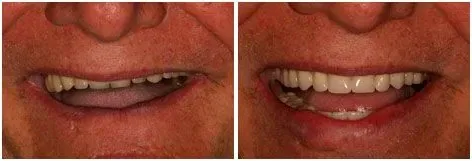
A cracked, heavily restored tooth protected and rebuilt with a shade-matched ceramic crown — blended so it disappears among the natural teeth.
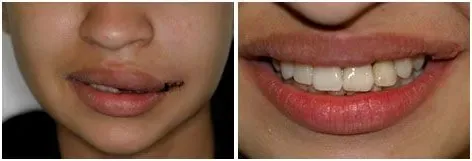
A missing tooth replaced with a fixed dental bridge anchored to the neighboring teeth — restoring the smile and the bite.
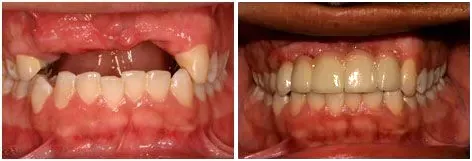
Worn and discolored front teeth restored with all-ceramic crowns — natural translucency and no dark metal line at the gum.
Placing a crown or bridge at Clearbrook Advanced Dental Care follows the same predictable sequence — with a temporary in between so the tooth is always protected.
The first visit prepares the tooth:
A handheld scanner captures the exact shape of your tooth — no gooey impression material. The scan goes to the lab to fabricate your custom restoration, and a temporary crown or bridge is placed so you leave chewing normally, just avoiding sticky foods on that side.
About two weeks later you return. Dr. Adibe removes the temporary, tries in the final restoration, verifies the fit and bite, and cements it permanently. The result looks, feels, and functions like a natural tooth.
Your first visit includes an examination and X-rays to confirm a crown or bridge is the right choice and the tooth and gums are healthy enough.
Comfort options include:
Mild temperature sensitivity for a short time after placement is normal and settles quickly.
A crown or bridge may be a good fit if you have:
This may not be the right option if you have:
Replacing a single missing tooth? Compare a bridge with a single dental implant.
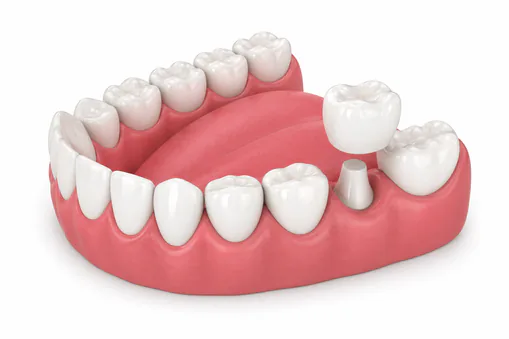
Here is how a bridge compares to a single dental implant for replacing one missing tooth. Dr. Adibe reviews both with every patient so you can decide with full information.
| Feature | Dental Bridge | Single Implant |
|---|---|---|
| Procedure time | 2 visits over 2–3 weeks | 3–6 months including healing |
| Preparation needed | Reshape 2 neighbor teeth | Implant placed into jawbone |
| Average longevity | 7–12 years | 20+ years |
| Prevents bone loss | No | Yes |
| Cleaning at home | Special flossers needed | Normal floss |
| Cost | Lower upfront | Higher upfront, better long-term value |
These are the questions patients ask most often before committing to treatment. Dr. Adibe addresses each one honestly at your consultation.
Some removal of tooth structure is necessary, but Dr. Adibe removes only the minimum needed for a strong bond. If there isn't enough damage to justify a crown, he'll recommend a more conservative restoration like an inlay or composite filling instead.
Modern all-ceramic and zirconia crowns are metal-free, so there's no dark margin at the gumline. The translucency matches natural enamel — most patients can't tell which tooth is crowned.
Implants are often the better long-term choice, but bridges still make sense when bone is inadequate, cost is a constraint, or healing time isn't available. Dr. Adibe walks you through both options so you can decide with full information.
Every procedure has tradeoffs, and a transparent conversation about them is part of informed consent. Dr. Adibe reviews these at your consultation and answers every question before treatment begins.
Zirconia and all-ceramic crowns are the default at Clearbrook Advanced Dental Care whenever possible. They are stronger than older PFM (porcelain-fused-to-metal) crowns, match natural tooth color more accurately, and eliminate the dark metal margin at the gumline that can appear over time.
A bridge remains a great option when an implant is not possible or affordable, but every patient is walked through both choices. The long-term math often favors an implant — but the right answer depends on bone health, budget, and timeline, and as a prosthodontist Dr. Adibe is trained to weigh those factors and design the restoration for a precise, lasting fit.
Reviewed by Dr. Adibe · Clearbrook Advanced Dental Care, Cranbury, NJ
A crown is recommended when a tooth is too damaged for a filling to restore predictably — for example after a large old restoration, a fracture, extensive decay, or root canal therapy. A crown caps and encases the entire tooth, sealing and reinforcing it so you can bite, chew, brush, and floss normally. If the damage is minor, Dr. Adibe will suggest a more conservative option such as an inlay, onlay, or composite filling.
A bridge replaces one or more adjacent missing teeth by anchoring a replacement tooth (pontic) to the neighboring teeth or to implants. It restores chewing and appearance, prevents the remaining teeth from drifting into the gap, and is a fixed alternative to a removable partial denture. It is also a good choice when a dental implant is not possible or preferred.
Crowns can be made from all-ceramic/all-porcelain, zirconia, porcelain-fused-to-metal (PFM), all-resin, or metal alloys. All-ceramic and zirconia are the most popular today because they are strong, metal-free, and color-matched to your natural teeth. Dr. Adibe selects the material per tooth based on its location and the forces it must withstand.
There are four common types: traditional (crowns on both neighboring teeth with a replacement tooth between), cantilever (anchored on one side only), Maryland (bonded wings on the backs of adjacent teeth), and implant-supported (implants serve as the anchors instead of natural teeth). The right type depends on the location of the gap and the health of the surrounding teeth.
It usually takes two visits. At the first, the tooth is numbed and reshaped, a digital impression is taken, and a temporary restoration is placed to protect the tooth. The lab fabricates the custom crown or bridge, and about two weeks later you return for the second visit, when the temporary is removed and the final restoration is checked for fit and bite and cemented permanently.
Local anesthesia is administered so the procedure is comfortable — most patients feel only pressure and vibration, not pain. Modern all-ceramic and zirconia crowns are metal-free, so there is no dark margin at the gumline, and their translucency matches natural enamel. Most patients cannot tell which tooth is crowned.
With proper care, crowns typically last 10–15 years or longer and bridges about 7–12 years; longevity depends on oral hygiene, bite forces, and material. Most dental insurance plans cover about 50% of crowns and bridges when they are medically necessary (after a broken tooth, root canal, or lost tooth). We verify your benefits in advance and offer payment options for any balance.
Yes. Clearbrook Advanced Dental Care in Cranbury, NJ provides custom crowns and bridges for patients from Cranbury, Monroe, East Windsor, Plainsboro, and across Middlesex County. Schedule a consultation or call (609) 395-9100.
Medical Disclaimer
This content is for informational purposes only and does not constitute dental or medical advice, diagnosis, or treatment. Crown and bridge procedures require removal of some natural tooth structure, which is irreversible. Possible risks include post-procedure sensitivity, bite adjustment needs, and eventual need for replacement. Consult Dr. Adibe or a qualified dental professional regarding any questions about your oral health. Individual results may vary.
Schedule a consultation with Dr. Adibe to find out whether a crown or bridge is right for you — and to get a personalized treatment plan and estimate.