Teeth Can Shift
Neighboring teeth may drift into the empty space, which can disrupt your bite over time.
Gentle, comfortable removal of a tooth when it can no longer be saved — with a plan to protect your bite and neighboring teeth.
There are times when it is necessary to remove a tooth — because of decay, infection, orthodontic correction, or problems with a wisdom tooth. At Clearbrook Advanced Dental Care in Cranbury, NJ, Dr. Adibe performs extractions comfortably and plans how to replace the tooth so your bite stays sound. Request an appointment or call (609) 395-9100.
There are times when it is necessary to remove a tooth. Sometimes a baby tooth has misshapen or long roots that prevent it from falling out as it should, and the tooth must be removed to make way for the permanent tooth to erupt.
At other times, a tooth may have so much decay that it puts the surrounding teeth and jaw at risk of decay, so your doctor may recommend removal and replacement with a bridge or implant. Infection, orthodontic correction, or problems with a wisdom tooth can also require removal of a tooth.

When it is determined that a tooth needs to be removed, your dentist may extract the tooth during a regular checkup or may schedule another visit for this procedure. The root of each tooth is encased within your jawbone in a "tooth socket," and your tooth is held in that socket by a ligament.
In order to extract a tooth, your dentist must expand the socket and separate the tooth from the ligament holding it in place. While this procedure is typically very quick, it is important to share with your doctor any concerns or preferences for sedation.
Once a tooth has been removed, neighboring teeth may shift, causing problems with chewing or with your jaw joint function. To avoid these complications, your dentist may recommend that you replace the extracted tooth.
Neighboring teeth may drift into the empty space, which can disrupt your bite over time.
A missing tooth can cause problems with chewing as the bite redistributes unevenly.
Shifting teeth can affect jaw joint function, which is why replacement is often recommended.
Your dentist may recommend replacing the tooth with a bridge or implant to keep everything aligned.
While an extraction is typically very quick, we know it can feel stressful. That is why it is important to share with your doctor any concerns or preferences for sedation before the procedure begins.
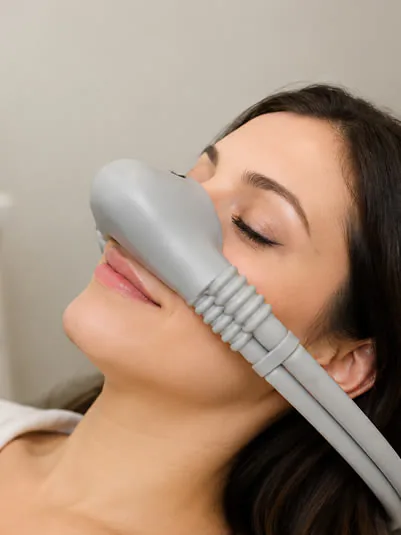
For patients who want to feel more relaxed, nitrous oxide (laughing gas) is available — an effective way to calm anxiety and raise your comfort during treatment, with effects that wear off so you can resume your day. We walk you through the visit beforehand so it feels predictable rather than overwhelming.
To avoid neighboring teeth shifting, your dentist may recommend replacing the extracted tooth. Here is how the main options compare.
| Feature | Dental Implant | Dental Bridge | Leaving the Gap |
|---|---|---|---|
| Prevents teeth from shifting | Yes | Yes | No |
| Replaces the tooth root | Yes | No | No |
| Affects neighboring teeth | No | Requires preparing them | They may drift |
| Protects jaw joint function | Yes | Yes | At risk |
These are the questions patients ask most often before having a tooth removed. Dr. Adibe answers each at your visit.
The procedure is typically very quick and is done so you are comfortable. Share any concerns or preferences for sedation — nitrous oxide is available to help you relax.
Removal is recommended only when necessary — such as severe decay that puts surrounding teeth and jaw at risk. Dr. Adibe discusses whether saving the tooth is possible first.
Once a tooth is removed, neighboring teeth may shift, causing problems with chewing or jaw joint function. To avoid these complications, replacement is often recommended.
Every procedure has tradeoffs, and a transparent conversation about them is part of informed consent. Dr. Adibe reviews these before treatment.
There are times when it is necessary to remove a tooth — but an extraction is never the whole story. Once a tooth has been removed, neighboring teeth may shift, causing problems with chewing or with your jaw joint function.
As a prosthodontist, Dr. Adibe plans the extraction and the replacement together: he considers from the start whether a dental implant or a bridge will best restore the space, so the loss of one tooth does not become a problem for the rest of your bite.
Reviewed by Dr. Adibe · Clearbrook Advanced Dental Care, Cranbury, NJ
There are times when it is necessary to remove a tooth. A baby tooth may have misshapen or long roots that prevent it from falling out as it should; a tooth may have so much decay that it puts the surrounding teeth and jaw at risk; or infection, orthodontic correction, or problems with a wisdom tooth can require removal.
The root of each tooth is encased within your jawbone in a tooth socket, and your tooth is held in that socket by a ligament. In order to extract a tooth, your dentist must expand the socket and separate the tooth from the ligament holding it in place. While this procedure is typically very quick, it is important to share any concerns or preferences for sedation.
The procedure is typically very quick and is performed so you are comfortable. It is important to share with your doctor any concerns or preferences for sedation — nitrous oxide is available to help you relax during treatment.
Once a tooth has been removed, neighboring teeth may shift, causing problems with chewing or with your jaw joint function. To avoid these complications, your dentist may recommend that you replace the extracted tooth — for example with a bridge or implant.
When it is determined that a tooth needs to be removed, your dentist may extract the tooth during a regular checkup or may schedule another visit for this procedure, depending on the situation.
Problems with a wisdom tooth can require removal of a tooth. Impacted or problematic wisdom teeth are often best evaluated alongside our oral and maxillofacial surgery services, and Dr. Adibe will advise whether removal is recommended.
Medical Disclaimer
This content is for informational purposes only and does not constitute dental or medical advice, diagnosis, or treatment. A tooth extraction is a surgical procedure with risks including dry socket, nerve injury, prolonged bleeding, and infection. Consult Dr. Adibe or a qualified dental professional regarding any questions about your oral health. Individual results may vary.
Request an appointment with Dr. Adibe at Clearbrook Advanced Dental Care in Cranbury, NJ, and we'll determine whether a tooth can be saved or should be removed and replaced.