Contact Sports
Basketball, boxing, hockey, football, lacrosse, rugby, martial arts, water polo, and wrestling.

Whether you wear braces or not, protecting your smile while playing sports is essential — a custom mouthguard helps protect your teeth and gums.
Injuries to the mouth and jaw are some of the most common injuries received by athletes — and mouthguards help protect your teeth and gums. Whether you wear braces or not, protecting your smile while playing sports is essential, and the American Dental Association recommends a mouthguard for a wide range of sports. Request an appointment in Cranbury, NJ, or call (609) 395-9100.
Whether you wear braces or not, protecting your smile while playing sports is essential. Injuries to the mouth and jaw are some of the most common injuries received by athletes. Mouthguards help protect your teeth and gums.
Our goal is to help minimize your chances of a sports related injury. Be sure to ask your dentist about mouthguards at your next dental checkup — GO TEAM!

It is recommended by the American Dental Association that you wear a mouthguard if you participate in any of these sports:
Basketball, boxing, hockey, football, lacrosse, rugby, martial arts, water polo, and wrestling.
Soccer, volleyball, racquetball, and track and field.
Skateboarding, skiing and snowboarding, surfing, and skydiving.
Gymnastics and weightlifting.
Choosing the right mouthguard is important. There are three basic types. When you choose a mouthguard, be sure to pick one that is tear-resistant, well fitted for your mouth and easy to keep clean — and make sure it does not prevent you from breathing properly during use.
The pre-made (stock) mouthguard is ready to wear out of the package. It is the least customized of the three options.
The “boil-and-bite” fitted mouthguard is softened in hot water and then shaped to your teeth for a closer fit.
A custom-made mouthguard is fitted specifically to your mouth — tear-resistant, well fitted, easy to keep clean, and made so it doesn’t prevent proper breathing.
Similar to a retainer, braces, or any other special dental appliance, it is important to take care of your mouthguard by storing it properly and keeping it clean. Here are a few simple ways to keep your mouthguard clean and working correctly:
Gently scrub your mouthguard after each use with a toothbrush and toothpaste.
Store your mouthguard in a protective case.
Do not leave your mouthguard in the sun or in hot water; it may melt or become deformed.
Replace your mouthguard at the beginning of every new sports season, or if it has become worn and no longer fits properly.
Do not chew on or cut pieces off of your mouthguard.
Bring your mouthguard to each dental checkup, and your dentist can check to make sure it’s still in good shape.
If you wear braces or a retainer, it is imperative for you to wear a mouthguard. Your dentist can show you how to wear a mouthguard properly and how to choose the right mouthguard to protect your smile.
Do not wear a retainer with your mouthguard. If you wear braces, your dentist will help design a mouthguard to protect your teeth and your braces.
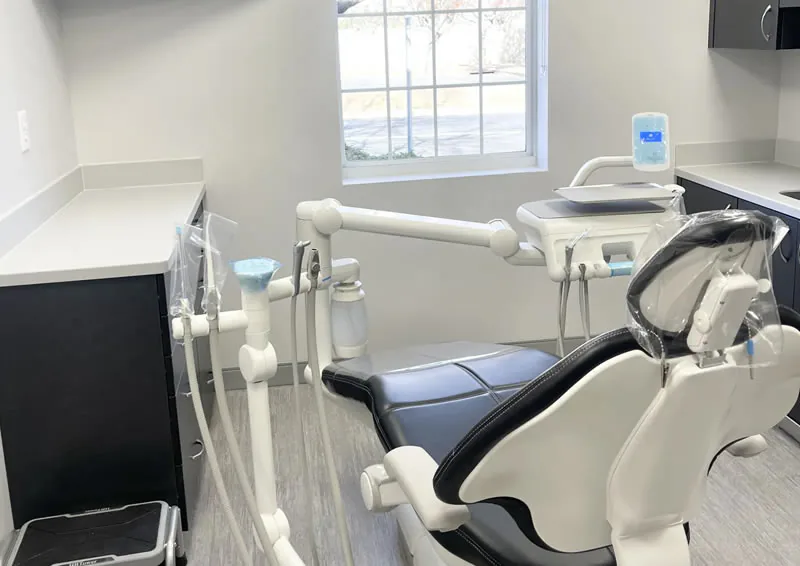
A mouthguard only protects your smile if it fits well, is comfortable, and does not prevent you from breathing properly — which is why a custom-made guard, fitted to your mouth, is so much more likely to be worn than a bulky stock guard.
As a prosthodontist who builds custom oral appliances, Dr. Adibe can design a mouthguard that fits your teeth (and your braces, if you wear them), so protecting your smile on the field becomes effortless. Ask about a mouthguard at your next checkup.
Reviewed by Dr. Adibe · Clearbrook Advanced Dental Care, Cranbury, NJ
Whether you wear braces or not, protecting your smile while playing sports is essential. Injuries to the mouth and jaw are some of the most common injuries received by athletes, and mouthguards help protect your teeth and gums. The American Dental Association recommends wearing a mouthguard for a wide range of sports.
There are three basic types of mouthguards: the pre-made mouthguard, the 'boil-and-bite' fitted mouthguard, and a custom-made mouthguard. When you choose one, be sure to pick one that is tear-resistant, well fitted for your mouth, easy to keep clean, and that does not prevent you from breathing properly during use.
The ADA recommends a mouthguard for basketball, boxing, hockey, football, gymnastics, lacrosse, martial arts, racquetball, rugby, track and field, skateboarding, skiing and snowboarding, skydiving, soccer, surfing, volleyball, water polo, weightlifting and wrestling.
Yes. If you wear braces or a retainer, it is imperative for you to wear a mouthguard. Do not wear a retainer with your mouthguard. If you wear braces, your dentist will help design a mouthguard to protect your teeth and your braces.
Gently scrub your mouthguard after each use with a toothbrush and toothpaste, store it in a protective case, and don't leave it in the sun or hot water or it may melt or become deformed. Don't chew on or cut pieces off it, and bring it to each dental checkup so your dentist can make sure it's still in good shape.
Replace your mouthguard at the beginning of every new sports season. You should also replace it if you notice it has become worn and no longer fits properly.
Medical Disclaimer
This content is for informational purposes only and does not constitute dental or medical advice, diagnosis, or treatment. Consult Dr. Adibe or a qualified dental professional regarding any questions about your oral health. Individual results may vary.
Request an appointment with Dr. Adibe at Clearbrook Advanced Dental Care in Cranbury, NJ, and ask about a custom mouthguard that fits and gets worn. GO TEAM!