Filling Material
The components used in the filling material affect its strength, appearance, and longevity.

Strong, natural-looking restorations that repair tooth decay — matched to where the tooth sits and the chewing forces it must bear.
Traditional dental restoratives, or fillings, are most often made of silver amalgam, while newer fillings use tooth-colored composite resins that mimic the appearance of natural teeth. At Clearbrook Advanced Dental Care in Cranbury, NJ, Dr. Adibe discusses every option and helps you choose the best filling for your particular case. Request an appointment or call (609) 395-9100.
Traditional dental restoratives, or fillings, are most often made of silver amalgam. The strength and durability of this traditional dental material makes it useful for situations where restored teeth must withstand extreme forces that result from chewing, often in the back of the mouth.
Newer dental fillings include ceramic and plastic compounds that mimic the appearance of natural teeth. These compounds, often called composite resins, are usually used on the front teeth where a natural appearance is important, but they can also be used on the back teeth depending on the location and extent of the tooth decay.

Several factors influence the performance, durability, longevity, and expense of dental restorations. Before your treatment begins, your doctor will discuss with you all of your options and help you choose the best filling for your particular case.
In preparation for this discussion it may be helpful to understand the two basic types of dental fillings — direct and indirect. Knowing the difference makes the conversation about your options far easier.
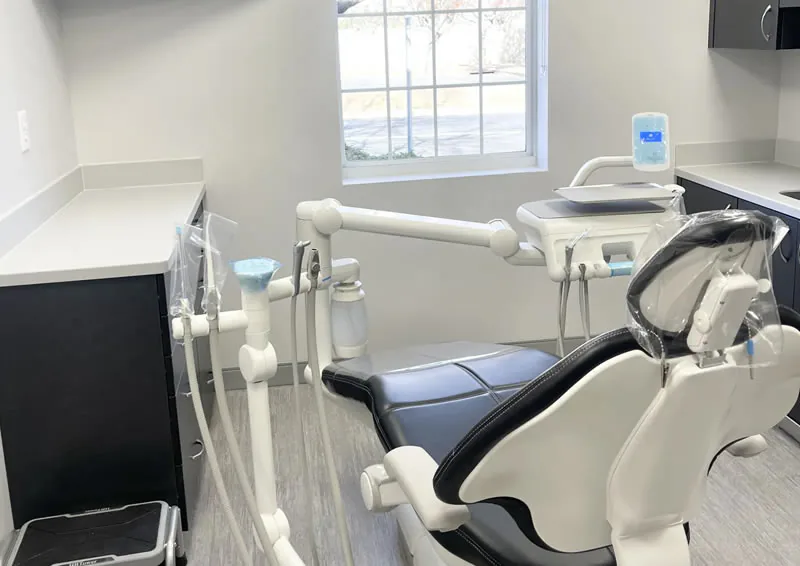
Understanding the two basic types of dental fillings helps you take part in the decision about how your tooth is restored.
Direct fillings are fillings placed into a prepared cavity in a single visit. They include silver amalgam, glass ionomers, resin ionomers, and composite (resin) fillings. The dentist prepares the tooth, places the filling, and adjusts it in one appointment.
Indirect fillings generally require two or more visits. They include inlays, onlays, and veneers fabricated with gold, base metal alloys, ceramics, or composites. They are used when a tooth has too much damage to support a filling but not enough to necessitate a crown.
During the first visit, the dentist prepares the tooth and makes an impression of the area to be restored, then places a temporary covering. The impression is sent to a dental laboratory, which creates the restoration. At the next appointment, the dentist cements the restoration into the prepared cavity and adjusts it as needed.
Several factors influence the performance, durability, longevity, and expense of dental restorations.
The components used in the filling material affect its strength, appearance, and longevity.
The amount of tooth structure remaining determines whether a filling, an inlay/onlay, or a crown is appropriate.
Where and how the filling is placed, and the chewing load the tooth will have to bear, guide the material choice.
The length and number of visits needed to prepare and adjust the restored tooth factor into the plan and the expense.
Here is how the two most common direct filling materials compare. Dr. Adibe helps you choose the best filling for your particular case.
| Feature | Silver Amalgam | Composite Resin |
|---|---|---|
| Appearance | Silver / metallic | Tooth-colored, natural |
| Strength under heavy chewing | Very strong | Strong, location-dependent |
| Typical location | Often back teeth | Front teeth; back teeth in some cases |
| Placement | Single visit (direct) | Single visit (direct) |
| Best where | Forces are extreme | A natural appearance matters |
These are the questions patients ask most often before having a tooth filled. Dr. Adibe answers each at your appointment.
Composite resins mimic the appearance of natural teeth and are usually used where a natural appearance is important, so a tooth-colored filling blends in.
Silver amalgam is strong and durable for teeth that withstand extreme chewing forces, and composite can also be used on back teeth depending on the location and extent of decay.
A direct filling is completed in a single visit. An indirect filling such as an inlay or onlay generally requires two or more visits because a laboratory creates the restoration.
Every restoration has tradeoffs, and a transparent conversation about them is part of informed consent. Dr. Adibe reviews these with you.
Several factors influence the performance, durability, longevity, and expense of dental restorations. As a prosthodontist — the specialty centered on restoring teeth — Dr. Adibe weighs the filling material, the amount of tooth structure remaining, where and how the filling is placed, and the chewing load the tooth must bear before recommending a material.
When a tooth has too much damage to support a filling but not enough to necessitate a crown, an indirect restoration such as an inlay or onlay may be the better answer. The goal is always to restore the tooth conservatively and durably — not to over- or under-treat it.
Reviewed by Dr. Adibe · Clearbrook Advanced Dental Care, Cranbury, NJ
Traditional dental restoratives, or fillings, are most often made of silver amalgam, valued for its strength and durability. Newer dental fillings include ceramic and plastic compounds — often called composite resins — that mimic the appearance of natural teeth and are usually used where a natural appearance is important.
Several factors influence the performance, durability, longevity, and expense of dental restorations, including the components used, the amount of tooth structure remaining, where and how the filling is placed, the chewing load the tooth will bear, and the number of visits needed. Before your treatment begins, your doctor will discuss all of your options and help you choose the best filling for your particular case.
Direct fillings are placed into a prepared cavity in a single visit and include silver amalgam, glass ionomers, resin ionomers, and composite (resin) fillings. Indirect fillings — inlays, onlays, and veneers — generally require two or more visits and are used when a tooth has too much damage to support a filling but not enough to necessitate a crown.
Composite resins are usually used on the front teeth where a natural appearance is important, but they can also be used on the back teeth depending on the location and extent of the tooth decay. Dr. Adibe selects the material based on the chewing forces and the appearance you want.
A direct filling is placed in a single visit — the dentist prepares the tooth, places the filling, and adjusts it in one appointment. An indirect filling such as an inlay or onlay generally requires two or more visits, including time for a dental laboratory to create the restoration.
Indirect fillings are used when a tooth has too much damage to support a filling but not enough to necessitate a crown. When even more tooth structure is lost, a crown may be the better restoration. Dr. Adibe reviews this with you so the tooth is restored appropriately.
Medical Disclaimer
This content is for informational purposes only and does not constitute dental or medical advice, diagnosis, or treatment. The right restoration depends on the individual tooth and bite. Consult Dr. Adibe or a qualified dental professional regarding any questions about your oral health. Individual results may vary.
Request an appointment with Dr. Adibe at Clearbrook Advanced Dental Care in Cranbury, NJ, and we'll help you choose the best filling for your case.